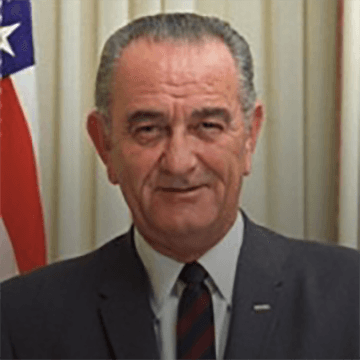
Johnson signed the Civil Rights Act of 1964, creating the central federal anti-discrimination law of the era and reshaping the legal framework governing segregation and unequal treatment.
Civil Rights / Anti-DiscriminationOfficial PromiseOfficial2 actions0 distinct sources1 policy / 2 explainer links
Promise date: Jul 2, 1964Latest action: Jul 2, 1964
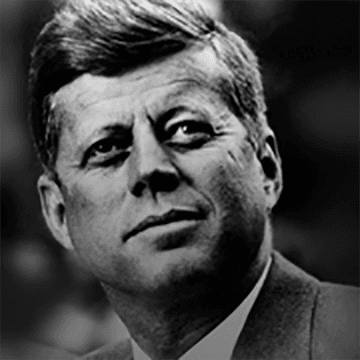
Kennedy issued Executive Order 11063, creating a federal administrative housing-rights precursor before the Fair Housing Act and acknowledging that federally assisted housing could not be administered on segregated terms.
Housing / Civil Rights / Executive EnforcementOfficial PromiseOfficial2 actions0 distinct sources1 policy / 0 explainer links
Promise date: Nov 20, 1962Latest action: Nov 20, 1962
Kennedy issued Executive Order 10925, creating an early modern federal equal-employment enforcement framework and helping establish the administrative bridge to later affirmative-action enforcement.
Civil Rights / Employment Access / Executive EnforcementOfficial PromiseOfficial2 actions0 distinct sources1 policy / 0 explainer links
Promise date: Mar 6, 1961Latest action: Apr 18, 1961
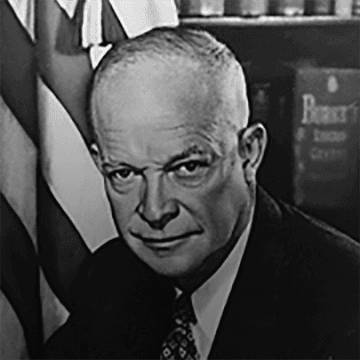
Eisenhower federalized the Arkansas National Guard and deployed the 101st Airborne to enforce desegregation at Central High School, making this one of the clearest civil-rights enforcement actions of the era.
Civil Rights / Federal Enforcement / EducationOfficial PromiseOfficial2 actions0 distinct sources0 policy / 1 explainer links
Promise date: Sep 24, 1957Latest action: Sep 25, 1957
Eisenhower signed the Civil Rights Act of 1957, establishing a modern federal civil-rights law and helping create the institutional basis for later voting-rights enforcement.
Voting Rights / Civil Rights / Federal EnforcementOfficial PromiseOfficial2 actions0 distinct sources1 policy / 1 explainer links
Promise date: Sep 9, 1957Latest action: Sep 9, 1957
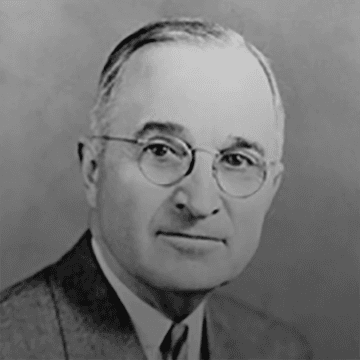
Truman signed Executive Order 9981, formally committing the federal government to equality of treatment and opportunity in the armed services and beginning the process of military desegregation.
Civil Rights / Military / Federal EnforcementOfficial PromiseOfficial3 actions0 distinct sources1 policy / 0 explainer links
Promise date: Jul 26, 1948Latest action: Jul 26, 1948
In Shelley v. Kraemer, the Supreme Court held that while private parties could enter racially restrictive covenants, state-court enforcement of those covenants constituted state action and could not be reconciled with the Equal Protection Clause of the Fourteenth Amendment.
Courts / Housing / Civil RightsOtherOfficial1 action2 distinct sources
Promise date: May 3, 1948Latest action: May 3, 1948
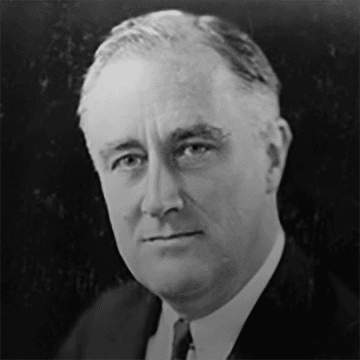
Roosevelt signed the Fair Labor Standards Act, creating a federal minimum wage and maximum-hours framework even though important exclusions limited the law's reach for many Black workers at the time.
Workers / Wages / Economic SecurityOfficial PromiseOfficial2 actions4 distinct sources1 policy / 1 explainer links
Promise date: Jun 16, 1938Latest action: Jun 25, 1938
Roosevelt signed the Social Security Act, establishing a foundational federal social-insurance structure even though major exclusions initially left many Black workers outside full coverage.
Economic Policy / Social InsuranceOfficial PromiseOfficial2 actions4 distinct sources1 policy / 1 explainer links
Promise date: Jan 17, 1935Latest action: Aug 14, 1935
In Corrigan v. Buckley, the Supreme Court declined to disturb the enforcement of a racially restrictive covenant in the District of Columbia, holding that the constitutional objections presented did not supply a substantial federal question for the appeal and leaving the covenant's enforcement intact.
Courts / Housing / Civil RightsOtherOfficial1 action1 distinct source
Promise date: May 24, 1926Latest action: May 24, 1926
In Buchanan v. Warley, the Supreme Court held that Louisville's ordinance restricting where Black and white residents could live violated the Fourteenth Amendment by interfering with the right to acquire, use, and dispose of property.
Courts / Housing / Civil RightsOtherOfficial1 action3 distinct sources
Promise date: Nov 5, 1917Latest action: Nov 5, 1917
In Myers v. Anderson, the Supreme Court held that Maryland's grandfather-clause voting law was unconstitutional under the Fifteenth Amendment and affirmed that election officials who denied registration under that law could be liable for damages in a civil action.
Courts / Voting Rights / Civil RightsOtherOfficial1 action2 distinct sources
Promise date: Jun 21, 1915Latest action: Jun 21, 1915