In Guinn v. United States, the Supreme Court held that Oklahoma's grandfather-clause voting provision violated the Fifteenth Amendment, invalidating that mechanism of racial disfranchisement while recognizing that literacy tests, considered on their own, remained within state power.
Courts / Voting Rights / Civil RightsOtherOfficial1 action2 distinct sources
Promise date: Jun 21, 1915Latest action: Jun 21, 1915
In Giles v. Harris, the Supreme Court declined to grant equitable relief to Black plaintiffs challenging Alabama's voter-registration regime, leaving in place a system they alleged was being used to exclude Black voters through discriminatory registration practices.
Courts / Voting Rights / Civil RightsOtherOfficial1 action2 distinct sources
Promise date: Apr 27, 1903Latest action: Apr 27, 1903
McKinley is tracked as delivered because, during his presidency, the federal constitutional order permitted discriminatory voting restrictions to remain in force, reinforcing state disfranchisement systems without implying that McKinley personally caused the Court's decision.
Voting Rights / DisenfranchisementExecutive AgendaOfficial1 action2 distinct sources1 policy / 0 explainer links
Promise date: Apr 25, 1898Latest action: Apr 25, 1898
Cleveland is tracked as delivered because, during his presidency, the federal constitutional order accepted "separate but equal" as a valid framework, strengthening the legal foundation for segregation without implying that Cleveland personally authored the Court's ruling.
Civil Rights / Segregation / Equal ProtectionExecutive AgendaOfficial1 action2 distinct sources1 policy / 1 explainer links
Promise date: May 18, 1896Latest action: May 18, 1896
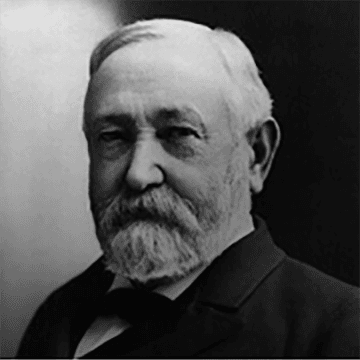
Harrison is tracked as failed because, although he supported stronger federal voting-rights protection, the Lodge Elections Bill did not become law, leaving Black voters without the renewed national enforcement framework the administration had backed.
Voting Rights / Federal EnforcementExecutive AgendaOfficial3 actions0 distinct sources
Promise date: Dec 1, 1890Latest action: Jan 22, 1891
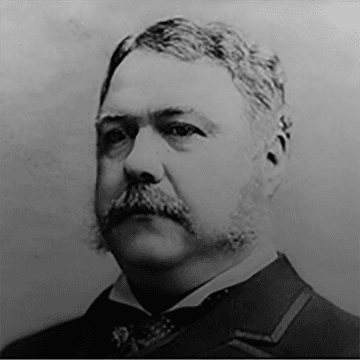
Arthur is tracked as delivered because his administration accepted a reduced federal civil-rights posture after the Court invalidated key protections of the Civil Rights Act of 1875, reinforcing the broader national retreat from Reconstruction-era enforcement without implying that Arthur caused the ruling itself.
Civil Rights / Federal EnforcementExecutive AgendaOfficial3 actions0 distinct sources
Promise date: Oct 15, 1883Latest action: Dec 1, 1884
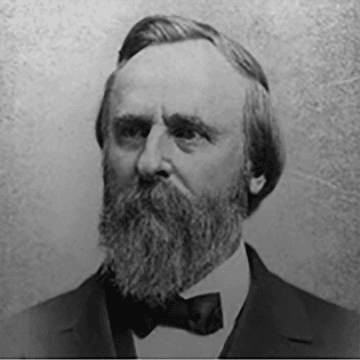
Hayes is tracked as delivered because his administration withdrew federal troops from key Southern states in 1877, accelerating the collapse of Reconstruction-era protection and leaving Black citizens more exposed to disenfranchisement, intimidation, and violent white supremacist restoration.
Civil Rights / Federal EnforcementExecutive AgendaOfficial3 actions0 distinct sources
Promise date: Mar 5, 1877Latest action: Dec 3, 1877
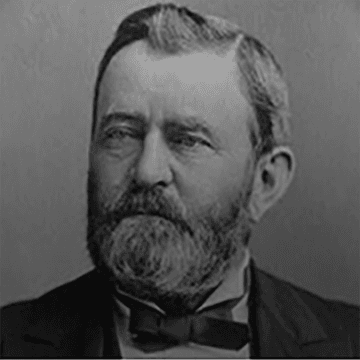
Grant is tracked as failed because the administration's broader commitment to protect Black citizenship and voting rights could no longer be enforced with the same force after Cruikshank narrowed federal authority, leaving Black communities more vulnerable to organized violence and intimidation.
Civil Rights / Federal EnforcementExecutive AgendaOfficial3 actions0 distinct sources
Promise date: Mar 27, 1876Latest action: Dec 5, 1876
Grant signed the Civil Rights Act of 1875, extending federal civil-rights protection into public accommodations even though later judicial decisions weakened its practical reach.
Civil Rights / Reconstruction / Anti-DiscriminationOfficial PromiseOfficial2 actions0 distinct sources1 policy / 1 explainer links
Promise date: Mar 1, 1875Latest action: Mar 1, 1875
Grant backed and used federal enforcement powers against Ku Klux Klan violence, helping produce a clear period of federal protection for Black voting rights even though later retrenchment reversed much of that progress.
Voting Rights / ReconstructionOfficial PromiseOfficial3 actions0 distinct sources
Promise date: Mar 23, 1871Latest action: Oct 17, 1871